🌿 Introduction — When One Recitation Changes Everything
Sometimes a person carries worries on their heart—fear, sadness, uncertainty. One night, a sister told me she felt overwhelmed and couldn’t sleep. Someone advised her to recite the last 3 ayat of Surah Hashr. She recited them slowly… and for the first time in months, she slept peacefully.
These verses are not ordinary.
They are a complete introduction to Allah—His names, His power, His protection, His mercy. When a believer recites them with understanding, something inside the heart settles.
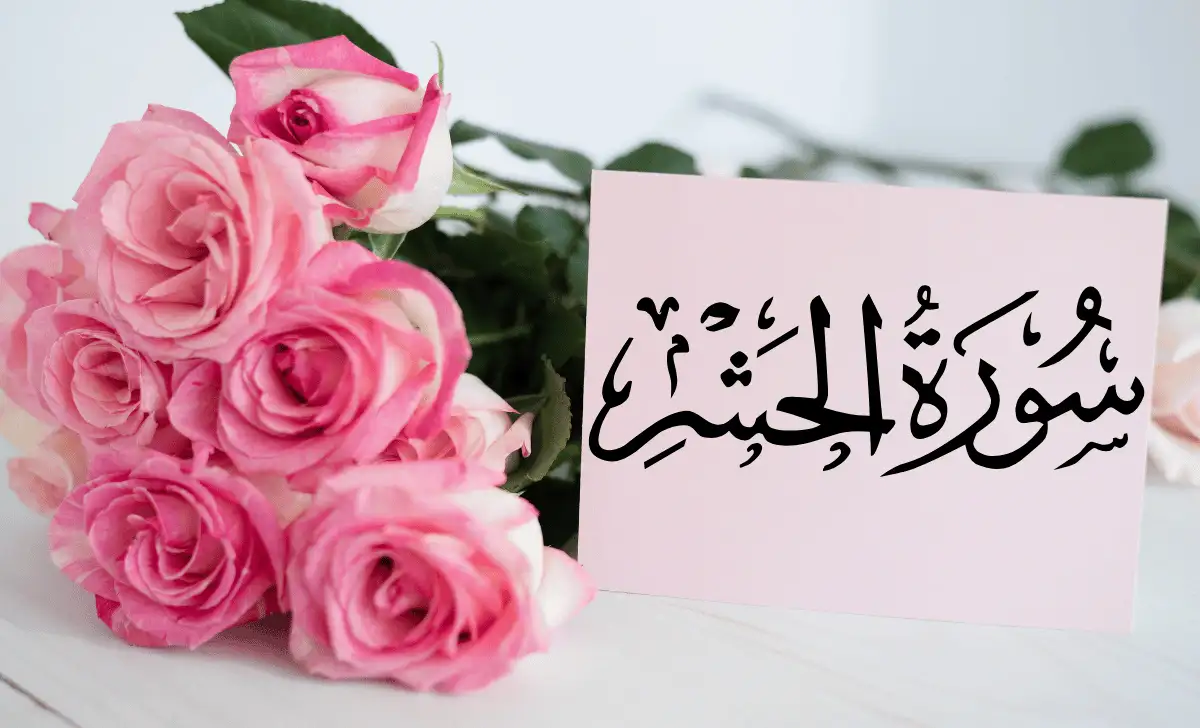
🌙 Surah Hashr Last 3 Ayat (22–24)
Below are the complete Arabic, transliteration, and translations.
⭐ Ayat 22
Arabic:
هُوَ اللَّهُ الَّذِي لَا إِلَـٰهَ إِلَّا هُوَ ۚ عَالِمُ الْغَيْبِ وَالشَّهَادَةِ ۚ هُوَ الرَّحْمَـٰنُ الرَّحِيمُ
Transliteration:
Huwal-lāhulladhī lā ilāha illā Hū. ʿĀlimul-ghaibi wash-shahādah. Huwar-Raḥmānir-Raḥīm.
English Meaning:
He is Allah—there is no god except Him. He knows the unseen and the seen. He is the Most Merciful, the Especially Merciful.
Urdu Translation:
وہی اللہ ہے جس کے سوا کوئی معبود نہیں۔ پوشیدہ اور ظاہر سب کچھ جاننے والا۔ وہی رحمٰن اور رحیم ہے۔
⭐ Ayat 23
Arabic:
هُوَ اللَّهُ الَّذِي لَا إِلَـٰهَ إِلَّا هُوَ ۚ الْمَلِكُ الْقُدُّوسُ السَّلَامُ الْمُؤْمِنُ الْمُهَيْمِنُ الْعَزِيزُ الْجَبَّارُ الْمُتَكَبِّرُ ۚ سُبْحَانَ اللَّهِ عَمَّا يُشْرِكُونَ
Transliteration:
Huwal-lāhulladhī lā ilāha illā Hū. Al-Malikul-Quddūsus-Salāmu al-Mu’minu al-Muhayminu al-ʿAzīzu al-Jabbāru al-Mutakabbir. Subḥānallāhi ʿammā yushrikūn.
English Meaning:
He is Allah—there is no god except Him. The King, the Most Pure, the Source of Peace, the Giver of Faith, the Protector, the Almighty, the Compeller, the Supreme. Exalted is Allah above whatever they associate with Him.
Urdu Translation:
وہی اللہ ہے جس کے سوا کوئی معبود نہیں۔ وہ بادشاہ ہے، پاک ہے، سلامتی دینے والا ہے، حفاظت کرنے والا ہے، غالب ہے، زبردست ہے، بڑائی والا ہے۔ اللہ پاک ہے، ان چیزوں سے جو لوگ اس کے ساتھ شریک کرتے ہیں۔
⭐ Ayat 24
Arabic:
هُوَ اللَّهُ الْخَالِقُ الْبَارِئُ الْمُصَوِّرُ ۖ لَهُ الْأَسْمَاءُ الْحُسْنَىٰ ۚ يُسَبِّحُ لَهُ مَا فِي السَّمَاوَاتِ وَالْأَرْضِ ۖ وَهُوَ الْعَزِيزُ الْحَكِيمُ
Transliteration:
Huwal-lāhul-Khāliqu al-Bāri’u al-Muṣawwir. Lahu al-Asmā’ul-Ḥusnā. Yusabbiḥu lahu mā fis-samāwāti wal-arḍ. Wa Huwal-ʿAzīzul-Ḥakīm.
English Meaning:
He is Allah—the Creator, the Originator, the Fashioner. To Him belong the most beautiful names. Everything in the heavens and the earth glorifies Him. He is the Almighty, the All-Wise.
Urdu Translation:
وہی اللہ ہے جو پیدا کرنے والا، وجود میں لانے والا، اور صورت دینے والا ہے۔ خوبصورت نام سب اسی کے ہیں۔ آسمانوں اور زمین کی ہر چیز اسی کی تسبیح کرتی ہے۔ وہ غالب حکمت والا ہے۔
Surah Hashr Last 3 Ayat Translation, Transliteration and Meaning in Urdu (PDF)
🌟 Deep Tafsir
These verses are known as the heart of Asma ul Husna (Allah’s Beautiful Names). Scholars like Ibn Kathir, Qurtubi, and Ibn Taymiyyah highlight that these ayat introduce Allah from every angle:
- His Oneness
- His Knowledge
- His Mercy
- His Kingship
- His Perfection
- His Creative Power
🌿 Ayat 22 Focus:
Allah’s knowledge covers what the eyes see and what the heart hides. This ayah strengthens tawakkul—trust in Allah.
🌿 Ayat 23 Focus:
Here Allah describes His Majesty with powerful names like Al-Malik, Al-Quddus, Al-Jabbar. These Names remove fear; they remind you who is in control.
🌿 Ayat 24 Focus:
These names connect you with your Creator—who shaped you, designed your life, and knows what is best for you.
📚 Authentic Hadith About These Verses
⭐ Hadith 1 — Angels Pray for the Reciter
Whoever recites the last 3 ayat of Surah Hashr in the morning,
70,000 angels pray for him until evening.
And if recited in the evening, angels pray until morning.
— Reported by Ibn Sunni and others (graded Hasan by scholars)
⭐ Hadith 2 — The Power of Allah’s Names
The Prophet ﷺ said:
“Allah has ninety-nine names; whoever understands and acts upon them will enter Jannah.”
— Sahih al-Bukhari
⭐ Hadith 3 — Best Dhikr: Glorifying Allah’s Names
“Whoever says: SubhanAllah wa bihamdihi, a palm-tree is planted for him in Jannah.”
— Tirmidhi
These ayat are full of Allah’s Names—reciting them is a form of dhikr that multiplies rewards.
🔍 People Also Ask
- What are the Surah Hashr last 3 ayat?
- What is the meaning of Surah Hashr last ayat?
- Why are Surah Hashr last verses powerful?
- Is it sunnah to recite Surah Hashr last 3 ayat daily?
- What are the benefits of Surah Hashr last ayat?
🌟 Deep Tafsir (Detailed Explanation)
1️⃣ Ayat 22 — Allah’s Knowledge & Mercy
Allah introduces Himself with absolute Oneness and unlimited knowledge. Scholars like Ibn Kathir explain that Al-Ghayb refers to everything hidden from humans — future, past, hearts, intentions — while Ash-Shahadah refers to everything visible.
The combination of knowledge + mercy shows that Allah knows our pain but treats us with kindness.
This verse teaches the believer:
- Your struggles are known to Allah.
- Your fears are seen by Him.
- Your tears, whispers, and silent prayers are heard.
2️⃣ Ayat 23 — The King Who Gives Peace
This verse contains eight majestic names. Scholars say it is one of the most complete introductions to Allah’s authority.
- Al-Malik — He owns everything you worry about.
- As-Salam — True peace comes only from Him.
- Al-Muhaymin — Your Protector in every unseen danger.
- Al-Jabbar — The One who repairs broken hearts.
If someone feels anxious, lost, or unsafe, this ayah becomes spiritual medicine — a reminder that Allah is fully in control.
3️⃣ Ayat 24 — Creator, Designer & Fashioner
This ayah highlights:
- Allah created you
- Allah shaped your face, your personality, your journey
- Allah gave you your tests for a reason
- Allah gave you strengths tailored to your mission
The verse ends:
Everything in the heavens and earth glorifies Allah.
Meaning:
If the universe submits peacefully to Allah…
Why should your heart not feel peace when you do the same?
🌿 Fazilat (Virtues) of Surah Hashr Last 3 Ayat
⭐ 1. Protection Through Angels
As mentioned earlier, whoever recites these verses in the morning or evening receives:
- 70,000 angels making dua for him,
- Seeking forgiveness,
- Sending peace and safety.
This is an unimaginable honor — millions of Muslims worldwide use these ayat as part of their daily adhkar.
⭐ 2. A Gateway to Understanding Allah
These verses teach the heart who Allah truly is. Scholars say:
“Knowing Allah’s Names is the foundation of closeness to Him.”
When you recite:
- Al-Malik → Your worries about the future start to soften.
- Ar-Rahman → Your guilt turns into hope.
- Al-Aziz → Your weakness becomes strength.
⭐ 3. Strength in Times of Fear
The Prophet ﷺ taught that reciting Allah’s Names brings protection, calmness, and confidence.
These ayat contain Asma-ul-Husna, making them a powerful spiritual shield.
⭐ 4. Increased Reward & Dhikr
Every name of Allah that you recite multiplies your good deeds.
These three ayat include over 15 Names of Allah — a beautiful dhikr session in just a few lines.
🕌 Benefits
People recite the last 3 ayat of Surah Hashr for:
- Relief from stress
- Calmness in the heart
- Increasing tawakkul (trust)
- Strength during hardship
- Peaceful sleep
- Protection from harm
- Removing negative thoughts
- Closeness to Allah
- Strengthening iman
These are not just benefits — they are experiences Muslims feel every day.
💛 Conclusion — A Moment With Allah
When you stand alone at night and whisper the last 3 ayat of Surah Hashr… you are not alone.
You are speaking to the One:
- Who created you
- Who protects you
- Who shapes your destiny
- Who knows your silent pain
- Who never abandons His servant
These verses are more than Quranic lines —
They are a doorway to peace, a source of healing, and a reminder that Allah’s mercy is near.
If you make these ayat part of your daily life, your heart will change — slowly, gently, beautifully.
FAQs:
You gain protection, spiritual peace, and angels making dua for you. Many people also feel reduced anxiety and stronger faith.
Yes. These verses calm the heart by reminding you of Allah’s power, mercy, and protection.
Yes. Scholars encourage reciting them in morning and evening adhkar based on authentic narrations of virtues.
They bring peace, protection, blessings, and a deeper connection with Allah’s Names.
Yes. Women may recite Quranic verses for dua, dhikr, and protection even during menstruation.