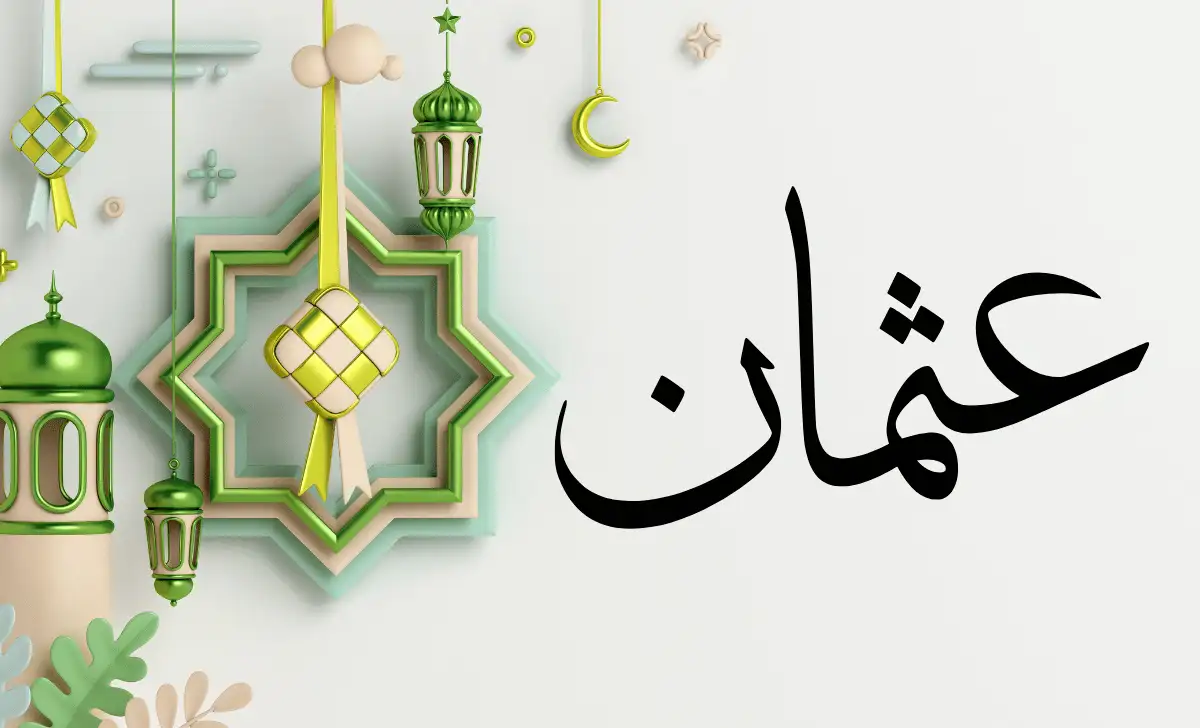
Usman is an Arabic name. Meaning: young bustard bird or baby snake. It is a respected Islamic name linked to Hazrat Usman (RA).
What is the name Usman?
Usman comes from the Arabic name Uthman (عثمان). It is widely used among Muslims because of its strong Islamic history and noble background.
Usman Name Meaning in English
According to Arabic language sources, Usman (Uthman) has more than one known meaning:
- Young bustard bird
A bustard is a large desert bird. “Usman” refers to a young or small bustard, a meaning found in classical Arabic. - Baby snake
Some linguistic sources also mention the meaning young snake.
Different meanings exist because Arabic words were used differently across tribes and regions.
Why is it spelled Usman or Uthman?
The original Arabic spelling is Uthman, using the letter ث (th).
In Urdu, Persian, and South Asian usage, “th” is often pronounced as “s”, so Uthman became Usman.
Both are correct.
Is the name Usman mentioned in the Quran?
The name Usman does not appear directly in the Quran.
However, it holds great importance in Islam because it is the name of Hazrat Usman ibn Affan (RA), the third Caliph of Islam.
Importance of the Name Usman in Islam
Hazrat Usman (RA) is highly respected for:
- Compiling and standardizing the official written Quran
- His generosity, patience, and strong faith
Because of this, the name Usman is considered honorable, blessed, and dignified among Muslims.
Personality Impression of the Name Usman
This is not a rule, only a common perception:
- Calm and respectful nature
- Strong moral image
- Leadership and responsibility
- Deep Islamic connection
Correct Spellings
- Arabic: Uthman (عثمان)
- English: Usman / Uthman / عثمان
- Roman Urdu: Usman
Quick Summary
Usman is an Arabic Islamic name. It means young bustard bird or baby snake. The name is famous due to Hazrat Usman (RA), the third Caliph of Islam.
FAQs:
Yes. It is a respected and historically strong Islamic name.
Uthman is closer to Arabic. Usman is more common.
No. It is a classical Islamic name.
عثمان / Usman نام کیا ہے؟
Usman دراصل عربی نام عُثْمَان (Uthman) ہے۔ اردو میں اکثر اسے عثمان یا اُسْمَان لکھتے ہیں۔
عثمان نام کے معنی (اردو میں)
عربی لغت اور ناموں کی معتبر توضیحات میں عثمان کے چند معروف معنی ملتے ہیں:
- کم عمر “حباری” / bustard (ایک بڑا جنگلی پرندہ)
یعنی “چھوٹا حباری” یا “کم عمر پرندہ”۔ - بچہ سانپ / young serpent
کچھ مصادر میں “baby snake” بھی لکھا جاتا ہے۔
نوٹ: مختلف علاقوں میں ایک ہی عربی لفظ کے لیے معنی کی روایتیں بدل سکتی ہیں، اسی لیے دونوں معنی عام طور پر ذکر کیے جاتے ہیں۔
Usman اور Uthman میں فرق کیوں ہے؟
اصل عربی میں نام عثمان میں حرف ث آتا ہے (تھ جیسی آواز)۔
اردو/فارسی میں اکثر ث کی آواز “س” بن جاتی ہے، اس لیے Uthman → Usman عام ہو گیا۔ Wikipedia
کیا عثمان نام قرآن میں آیا ہے؟
قرآنِ مجید میں “عثمان” نام بطور نام نہیں آتا۔
لیکن اسلامی تاریخ میں یہ نام بہت باوقار ہے، کیونکہ یہ حضرت عثمان بن عفانؓ (تیسرے خلیفہ) کا نام ہے۔
حضرت عثمانؓ سے نام کی نسبت کیوں مضبوط ہے؟
حضرت عثمانؓ کو اسلامی تاریخ میں بڑی اہمیت حاصل ہے، خاص طور پر:
- خلافت کے دور میں قرآن کے سرکاری/معیاری نسخے کی تدوین کا بڑا کام ہوا۔
یہی وجہ ہے کہ عثمان/Usman کو مسلمان گھرانوں میں “باوقار، تاریخی اور بابرکت” نام سمجھا جاتا ہے۔
عثمان نام کی شخصیت والی “عام” جھلک (نام کے تاثر کے لحاظ سے)
یہ مذہبی حکم نہیں، صرف نام کے عمومی تاثر کی بات ہے:
- مضبوط، سنجیدہ، باوقار امیج
- دین اور تاریخ سے جڑی پہچان
- سادہ مگر کلاسک نام
درست املا اور تلفظ
- عربی: عُثْمَان (Uthman)
- اردو عام: عثمان / عثمان
- رومن اردو: Usman / Osman / Uthman
Summary Box
عثمان (Usman) عربی نام ہے۔ مشہور معنی: کم عمر حباری (پرندہ) یا بچہ سانپ۔ یہ نام حضرت عثمانؓ سے منسوب ہے، اسی لیے مسلمانوں میں بہت مقبول ہے۔