Some Quranic verses shake the heart.
Some wake the mind.
“Afahasibtum” does both.
It asks a direct question.
A question no soul can ignore.
What Is “Afahasibtum Ayat”?
Surah Al-Mu’minun – Last 4 Ayat (23:115–118)
Ayat 115
Arabic
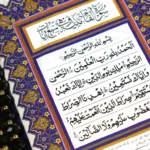
أَفَحَسِبْتُمْ أَنَّمَا خَلَقْنَاكُمْ عَبَثًا وَأَنَّكُمْ إِلَيْنَا لَا تُرْجَعُونَ
Transliteration
Afahasibtum annamā khalaqnākum ‘abathan wa-annakum ilaynā lā turja‘ūn
English Translation
“Did you think that We created you without purpose, and that you would not be returned to Us?”
Urdu Translation
“کیا تم نے یہ گمان کر لیا تھا کہ ہم نے تمہیں بے مقصد پیدا کیا ہے اور تمہیں ہماری طرف لوٹایا نہیں جائے گا؟”
Ayat 116
Arabic
فَتَعَالَى ٱللَّهُ ٱلْمَلِكُ ٱلْحَقُّ ۚ لَآ إِلَٰهَ إِلَّا هُوَ رَبُّ ٱلْعَرْشِ ٱلْكَرِيمِ
Transliteration
Fata‘ālā llāhu al-maliku al-ḥaqq, lā ilāha illā Huwa rabbu al-‘arshi al-karīm
English Translation
“So Exalted is Allah, the True King. There is no deity except Him, Lord of the Noble Throne.”
Urdu Translation
“پس اللہ بلند و برتر ہے، سچا بادشاہ ہے، اس کے سوا کوئی معبود نہیں، وہی عرشِ عظیم کا رب ہے۔”
Ayat 117
Arabic
وَمَن يَدْعُ مَعَ ٱللَّهِ إِلَٰهًا ءَاخَرَ لَا بُرْهَٰنَ لَهُۥ بِهِۦ فَإِنَّمَا حِسَابُهُۥ عِندَ رَبِّهِۦ ۚ إِنَّهُۥ لَا يُفْلِحُ ٱلْكَٰفِرُونَ
Transliteration
Wa man yad‘u ma‘a llāhi ilāhan ākhara lā burhāna lahu bih, fa-innamā ḥisābuhu ‘inda rabbih, innahu lā yufliḥu al-kāfirūn
English Translation
“And whoever calls upon another god besides Allah, for which he has no proof, then his account is only with his Lord. Indeed, the disbelievers will not succeed.”
Urdu Translation
“اور جو اللہ کے ساتھ کسی اور معبود کو پکارتا ہے جس کی اس کے پاس کوئی دلیل نہیں، تو اس کا حساب اس کے رب کے پاس ہے۔ بے شک کافر کامیاب نہیں ہوں گے۔”
Ayat 118
Arabic
وَقُل رَّبِّ ٱغْفِرْ وَٱرْحَمْ وَأَنتَ خَيْرُ ٱلرَّٰحِمِينَ
Transliteration
Wa qul rabbi ighfir warḥam wa-anta khayru ar-rāḥimīn
English Translation
“And say: My Lord, forgive and have mercy, for You are the Best of those who show mercy.”
Urdu Translation
“اور کہہ دو: اے میرے رب! معاف فرما اور رحم فرما، اور تو سب سے بہتر رحم کرنے والا ہے۔”
Why This Ayah Is So Powerful
This verse does not explain gently.
It questions sharply.
Allah does not say, “You were created for a purpose.”
He asks:
“Did you really think there was no purpose?”
That question hits the mind first.
Then it reaches the heart.
Word-by-Word Insight (Deep Meaning)
Afahasibtum
“Did you seriously assume?”
This word carries rebuke, not curiosity.
‘Abathan
Something useless.
Something pointless.
Something without accountability.
➡️ Allah rejects the idea that life is random.
Lā turja‘ūn
“You will not be returned.”
This destroys the belief:
“I can live any way I want.”
Tafsir Perspective (Classical Scholars)
Ibn Kathir (رحمه الله)
He explains this verse as a clear proof of the Hereafter.
Creation without accountability would contradict Allah’s justice.
➡️ Purpose + Return = Accountability
Imam Al-Qurtubi
He links this ayah to human responsibility.
Actions only make sense if judgment exists.
Imam Al-Tabari
He states this verse addresses:
- Disbelievers
- Neglectful believers
- Those living without reflection
Quran Explains Purpose in Other Places
Supporting Ayah – Surah Adh-Dhariyat 51:56
Arabic
وَمَا خَلَقْتُ ٱلْجِنَّ وَٱلْإِنسَ إِلَّا لِيَعْبُدُونِ
English
“I did not create jinn and humans except to worship Me.”
Urdu
“میں نے جنّ اور انسان صرف اپنی عبادت کے لیے پیدا کیے ہیں۔”
➡️ Worship here means living with obedience, not rituals only.
Why This Ayah Matters Today (Real Life)
Many people today ask:
- Why am I tired?
- Why does life feel empty?
- Why do I feel lost?
This ayah answers silently:
You forgot your purpose.
A phone without charging loses power.
A soul without purpose loses peace.
Ask these 3 questions every night:
- Did today bring me closer to Allah or farther?
- Did my actions make sense if I meet Allah tonight?
- Would today still matter after death?
If the answer is “no” too often,
this ayah is calling you back.
Reflection Questions (For Better Understanding)
- If my life ended tonight, would it look purposeful?
- Am I busy, or am I meaningful?
- Do my choices reflect belief in return to Allah?
Sit with these questions.
They are not easy.
But they are necessary.
Final Reflection and Spiritual Encouragement
This ayah is not harsh.
It is mercifully honest.
Allah reminds us:
You are not forgotten.
You are not random.
You are not meaningless.
You were created with purpose.
And you will return with answers.
If life feels heavy, maybe it is because the soul wants direction again.
Start small.
Fix one intention.
Align one action.
That is how purpose returns.
People Also Ask
It means “Did you think you were created without purpose?”
It appears in Surah Al-Mu’minun (23:115).
Life has meaning.
There is return.
There is accountability.
Yes. It directly points to returning to Allah after death.
By living intentionally.
By choosing actions that make sense after death.
The core message of Afahasibtum ayat is that human life was not created without purpose. Allah reminds us that every soul will return to Him for accountability, so our actions, intentions, and choices must have meaning beyond this world.