A Deep Fiqh, Linguistic & Spiritual Exploration
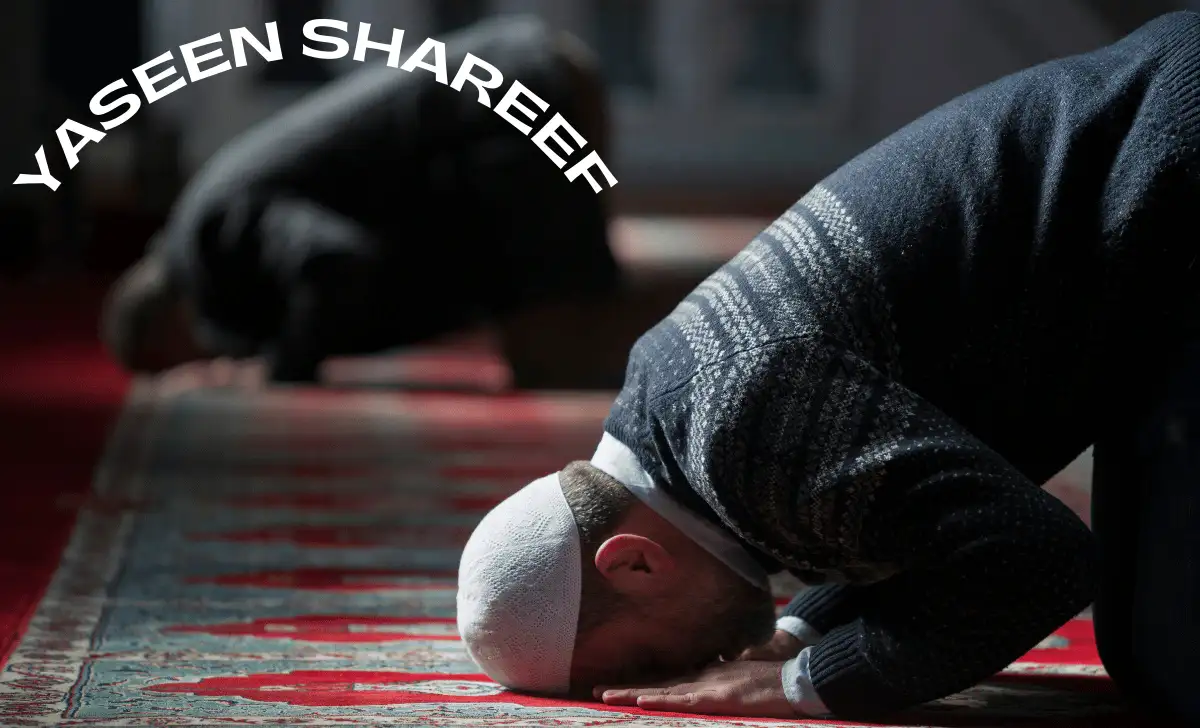
Sajdah is the moment when a human being places the highest point of his body—the forehead—upon the lowest surface on earth. No other act of worship combines such humility, surrender, and closeness to Allah. Yet, many Muslims never realize that between the two sajdahs lies one of the most powerful duas the Prophet ﷺ ever taught.
⭐ INTRODUCTION: A MOMENT YOU MAY BE MISSING IN SALAH
A few months ago, a brother shared something emotional.
He said:
“I used to rush between the two sajdahs. It felt like a small pause—nothing more.
But when I learned that the Prophet ﷺ made du‘a at that moment, my salah changed forever.”
This article is written for hearts like his—people who want their salah to feel alive again.
⭐ WHAT IS “DO SAJDON KE DARMAYAN KI DUA”?
In salah, after completing the first sajdah, you sit briefly before going into the second sajdah.
This position is called:
- Jalsah (جلسة)
- Sitting between two prostrations
And during this pause, the Prophet ﷺ recited a dua—not in whispers of habit, but in a calm, meaningful, heartfelt state.
⭐ THE AUTHENTIC DUAS FROM HADITH
(Urdu translation only under Arabic, as you required)
✔ 1) Short Sunnah Version (Most Common)
Arabic:
رَبِّ اغْفِرْ لِي، رَبِّ اغْفِرْ لِي
Transliteration:
Rabbighfir lī, Rabbighfir lī
English Meaning:
“My Lord, forgive me.”
Urdu:
“اے میرے رب! مجھے بخش دے۔”
This short version appears in Sunan Abu Dawood, Tirmidhi, Ibn Majah, and others.
✔ 2) Long Sunnah Version
Arabic:
اَللّٰهُمَّ اغْفِرْ لِي، وَارْحَمْنِي، وَاهْدِنِي، وَاجْبُرْنِي، وَارْزُقْنِي، وَارْفَعْنِي، وَعَافِنِي
Transliteration:
Allahummaghfir lī, warḥamnī, wahdinī, wajburnī, warzuqnī, warfa‘nī, wa ‘āfinī
English Meaning:
“O Allah, forgive me, have mercy on me, guide me, strengthen me, provide for me, elevate me, and grant me well-being.”
Urdu:
“اے اللہ! مجھے بخش دے، مجھ پر رحم فرما، مجھے ہدایت دے، مجھے سنبھال، مجھے رزق عطا فرما، مجھے بلند کر، اور مجھے عافیت عطا فرما۔”
⭐ WHY THIS DUA IS PLACED BETWEEN TWO SAJDAHS
(A deep spiritual explanation)
Imam Ibn al-Qayyim writes:
“Between two prostrations Allah opens a door of forgiveness and mercy for His servant.”
This moment is:
- A pause for reflection
- A space for breathing
- A reminder that sins fall in sajdah
- A spiritual transition before returning to the ground again
Think of it like this:
🌧 Sajdah 1 — You pour your sins and burdens before Allah.
⏸ Sitting — You ask for forgiveness and strength.
🌧 Sajdah 2 — You return cleaner, lighter, calmer.
It is not just a “pause”—it is an act of worship.
⭐ LINGUISTIC BREAKDOWN (DETAILED ARABIC ANALYSIS)
1) رَبِّ – Rabbi
Root: ر ب ب
Meaning: Lord, Master, Sustainer, Nurturer.
Scholars say this name is chosen here because we are asking the One who nurtures our hearts back to purity.
2) اغْفِرْ – Ighfir
Root: غ ف ر
Meaning: To cover, protect, erase, forgive.
In Arabic, maghfira is not just forgiveness—it means:
✔ Wiping away the sin
✔ Hiding its effects
✔ Protecting from repeating it
A complete spiritual reset.
3) اغْفِرْ لِي – Ighfir lī
“Forgive me personally.”
The word li (لِي) adds intimacy—Ya Allah, forgive ME, uniquely.
⭐ COMMON MISTAKES PEOPLE MAKE
(Most Muslims never learned these!)
❌ 1. Rushing the dua
Shafi‘i scholars emphasize that this sitting must be calm and still.
The Prophet ﷺ warned those who rushed their salah without pausing.
❌ 2. Not reciting any dua at all
Many Muslims don’t even know a dua exists here.
❌ 3. Treating it like a ‘pause’ instead of worship
This moment is a Sunnah supplication—not empty silence.
❌ 4. Reading wrong words
Some people say:
“Rabbana-ghfir li”
or
“Rabbi firli”
→ Not incorrect, but not the sunnah wording.
❌ 5. Thinking only the short version is allowed
Long version is also authentic.
⭐ COMPARISON TABLE
(Short vs Long Dua)
| Feature | Short Dua | Long Dua |
|---|---|---|
| Length | 2 words repeated | 7 requests |
| Purpose | Simple forgiveness | Holistic life supplication |
| Difficulty | Very easy | Slightly longer |
| Usage | Daily quick salah | Deep, slow, mindful prayer |
| Recommended | For beginners | For those wanting depth |
⭐ HISTORICAL CONTEXT
(How the Prophet ﷺ prayed)
Imam Nawawi writes in Al-Majmu‘:
“The Prophet ﷺ would prolong this sitting until every bone returned to its place.”
Meaning:
This was not a rushed moment—it was a meaningful spiritual pause.
Narrations show:
✔ He prayed calmly
✔ Sahaba learned this dua from him directly
✔ Children and new Muslims found the short version easy
✔ Scholars encouraged memorizing the longer one later
⭐ FIQH COMPARISON
(Hanafi, Shafi‘i, Maliki, Hanbali)
Shafi‘i (Your selected focus)
- Reciting a dua in this sitting is Sunnah Mu’akkadah.
- Stillness is required.
- The long dua is preferable.
Hanafi
- Dua is Sunnah but not obligatory.
- Short version is commonly used.
- Emphasis on calm sitting (ta‘dīl al-arkān).
Maliki
- Minimal dua recommended.
- Sitting should be brief.
Hanbali
- Long version strongly recommended.
- Dua should be recited with full presence.
⭐ SPIRITUAL EFFECTS OF THIS DUA
When recited with sincerity:
🌿 Your heart becomes lighter
🌿 Allah’s mercy surrounds you
🌿 You begin tasting humility
🌿 Your sins gradually wash away
🌿 Your connection to Allah deepens
Ibn al-Qayyim says:
“This dua gathers the goodness of this world and the next.”
If you are interested in reading more, please visit these links:
- “What should I read between two sajdahs in namaz?”
- “How to recite dua between two sujood?”
- “Is the dua Rabbighfir li Sunnah?”
- “What is the long dua between two sajdas?”
- “Do I have to recite this dua according to Shafi‘i fiqh?”
⭐ PRACTICAL GUIDE
How to Apply This Dua in Daily Salah
- Learn the short version first: Rabbighfir li
- Sit calmly — don’t rush
- Recite slowly, with meaning
- Add the long version when comfortable
- Feel humility—Allah is listening
- Practice outside salah to memorize
⭐ EMOTIONAL URDU SUMMARY
“نماز کے دو سجدوں کے درمیان کی یہ چھوٹی سی دعا حقیقت میں دل کی بڑی دعا ہے۔
یہ وقت اللہ کی رحمت کے دروازے کھولنے کا لمحہ ہے۔
اگر نماز میں سکون چاہیے، قریب ہونا چاہتے ہیں، یا گناہوں کا بوجھ کم کرنا ہے…
تو اس دعا کو دل سے پڑھیں۔”
⭐ CONCLUSION
Salah is a journey from earth to the Divine.
And between two sajdahs, Allah gives you a small pause—a breath of mercy, a window of forgiveness, a chance to whisper your heart’s deepest needs.
Next time you pray, slow down.
Let your heart speak.
Say: Rabbighfir li.
And feel Allah’s forgiveness flowing into your life… quietly, gently, lovingly.
FAQs:
No. It is Sunnah, but very strongly recommended.
Yes—100% authentic.
Shafi‘i and Hanbali.
Yes. It applies to everyone.
Your salah is still valid.
⭐ SUMMARY BOX
In one sentence:
The dua between two sajdahs is a moment of forgiveness, mercy, healing, and spiritual elevation—never rush it again.